Diffusion Filter
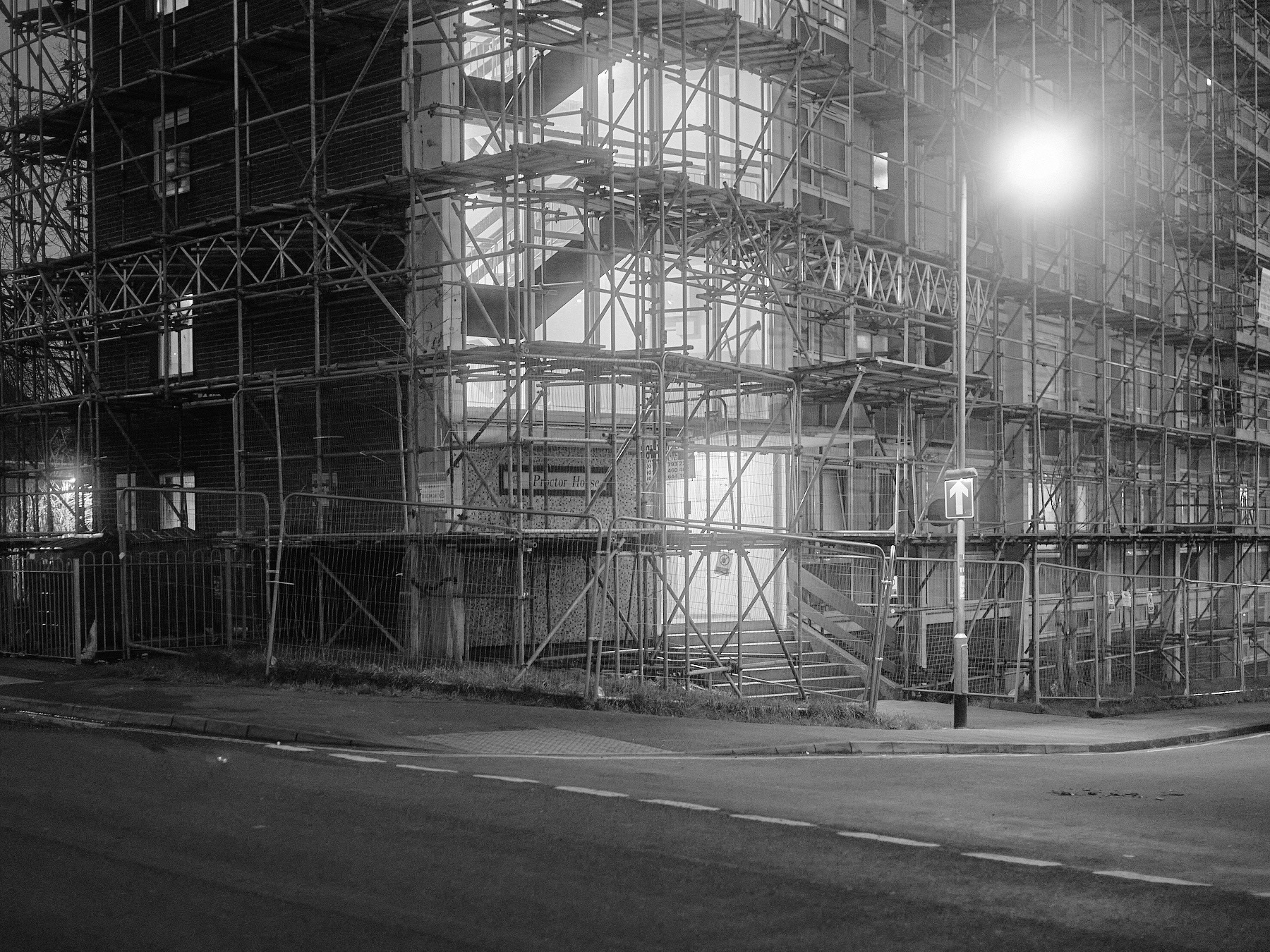
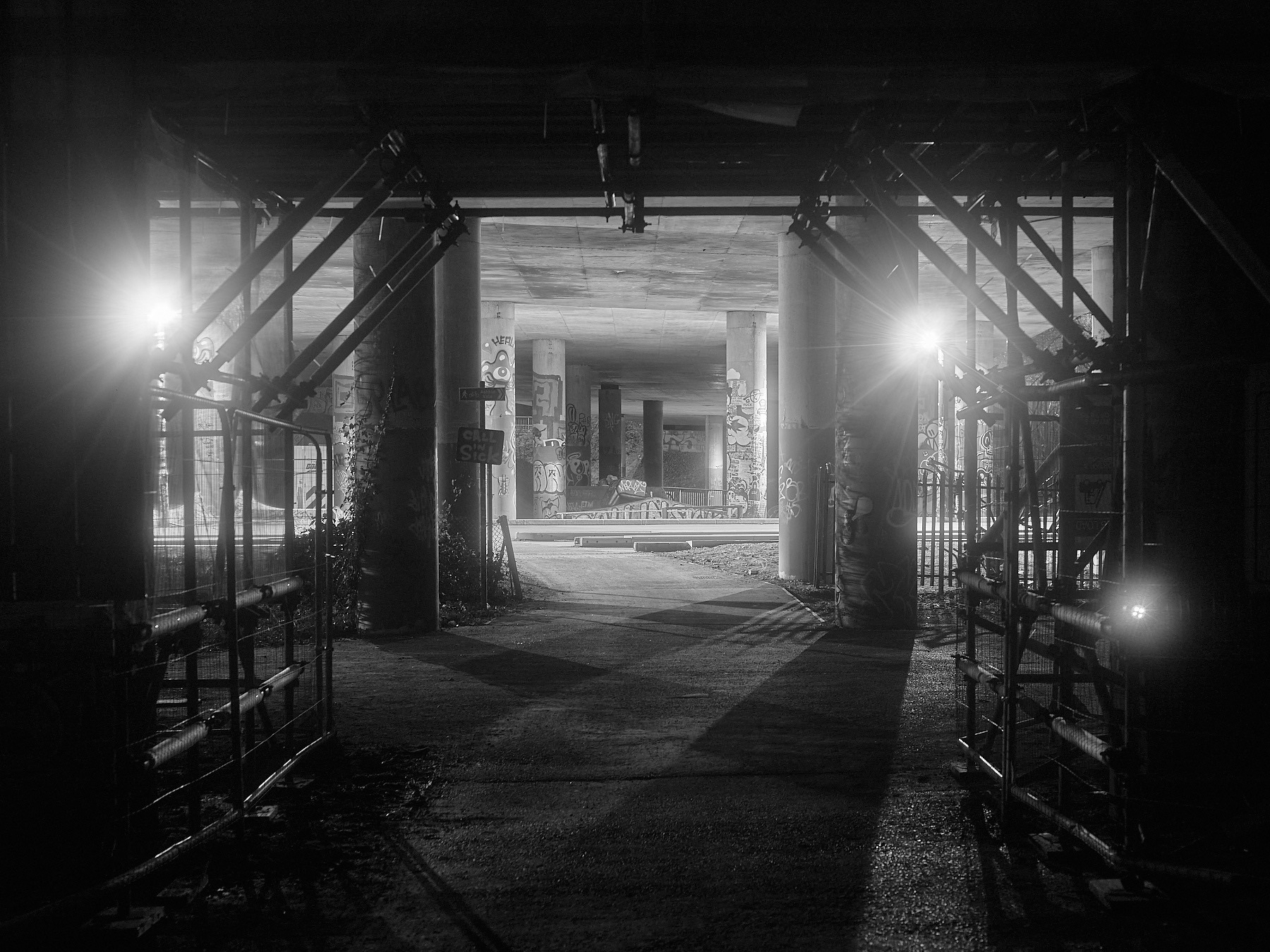
Hopefully this is a relatable story about photo gear. I bought a diffusion filter a couple of years ago after seeing a post on instagram, I took it out a of couple times to have a play around, shot a few photos, and then it went back in a drawer where it lay forgotten until recently.
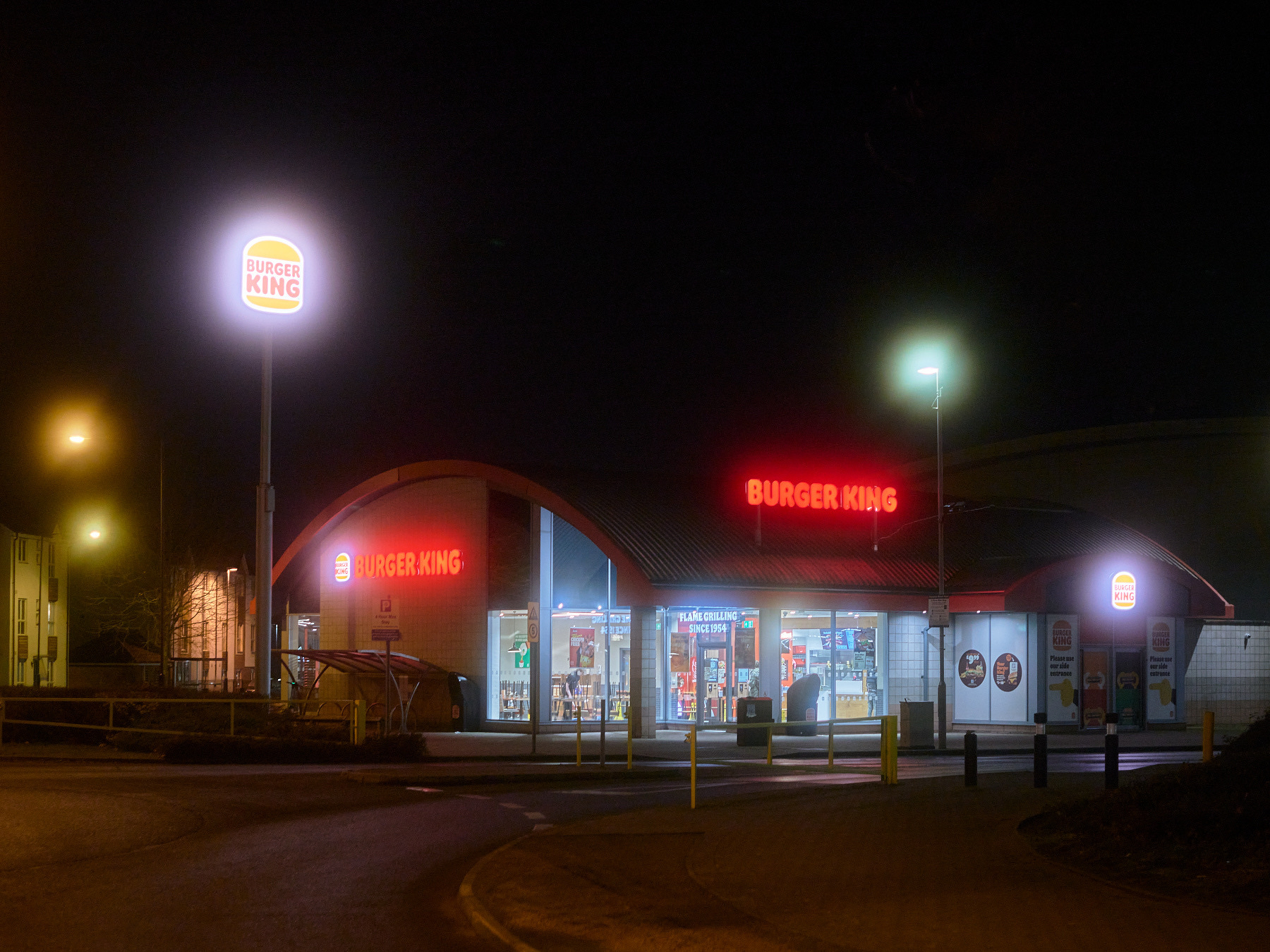
Now I’ve remembered it exists (I probably saw another post which jogged my memory) I’ve been using it again, and I’ve taken enough images for a little blog post. A diffusion filter provides that touch of softness and creates this hazy glow around light sources. This sounded perfect to me, the potential of an ethereal cinematic look, and hopefully a way to mask that ultra sharp clinical way that digital sensors render lights at night, and the big sun stars that are created.
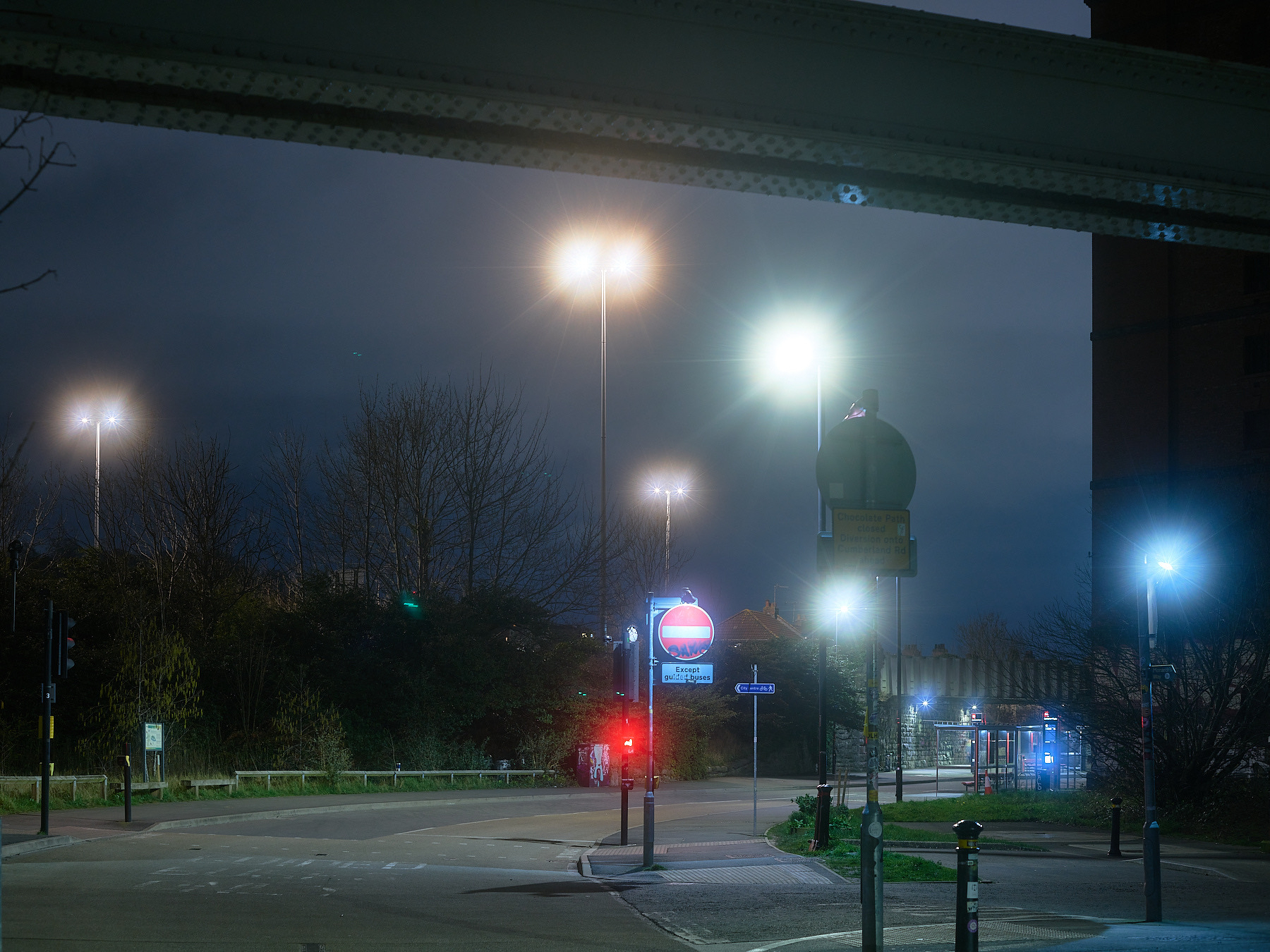
So far I’ve tried to avoid stars by shooting wide open at f/2, which works pretty well, but is limiting when it comes to depth of field. A lot of the time I’m shooting wide open anyway, because I’m shooting handheld when I probably should be using a tripod.
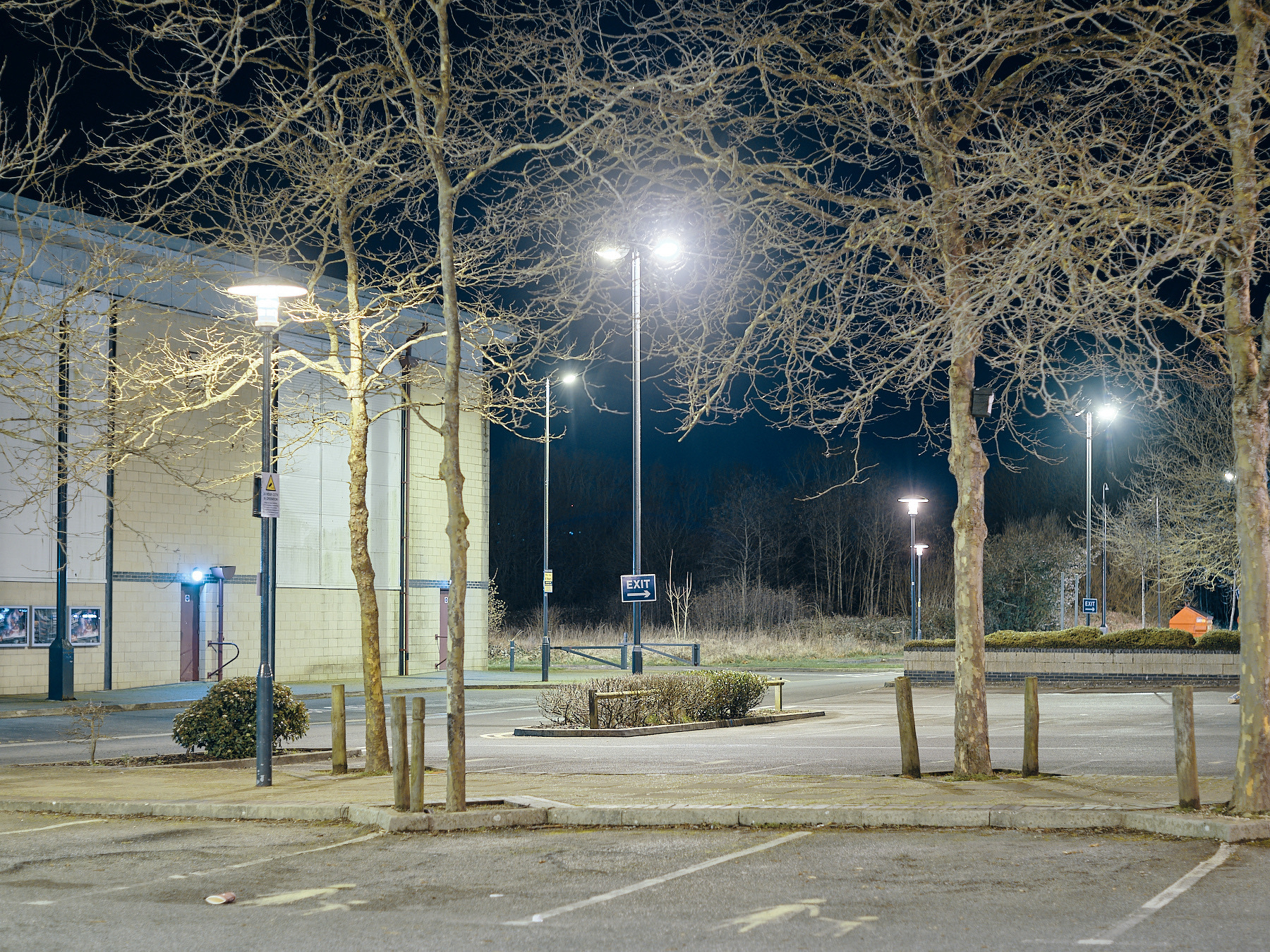
I needed to take some test shots for comparison, so headed to my local retail park as it has a big empty car park with lots of street lamps, an abandoned cinema and no one else around.
No filter at f/2
No filter at f/8
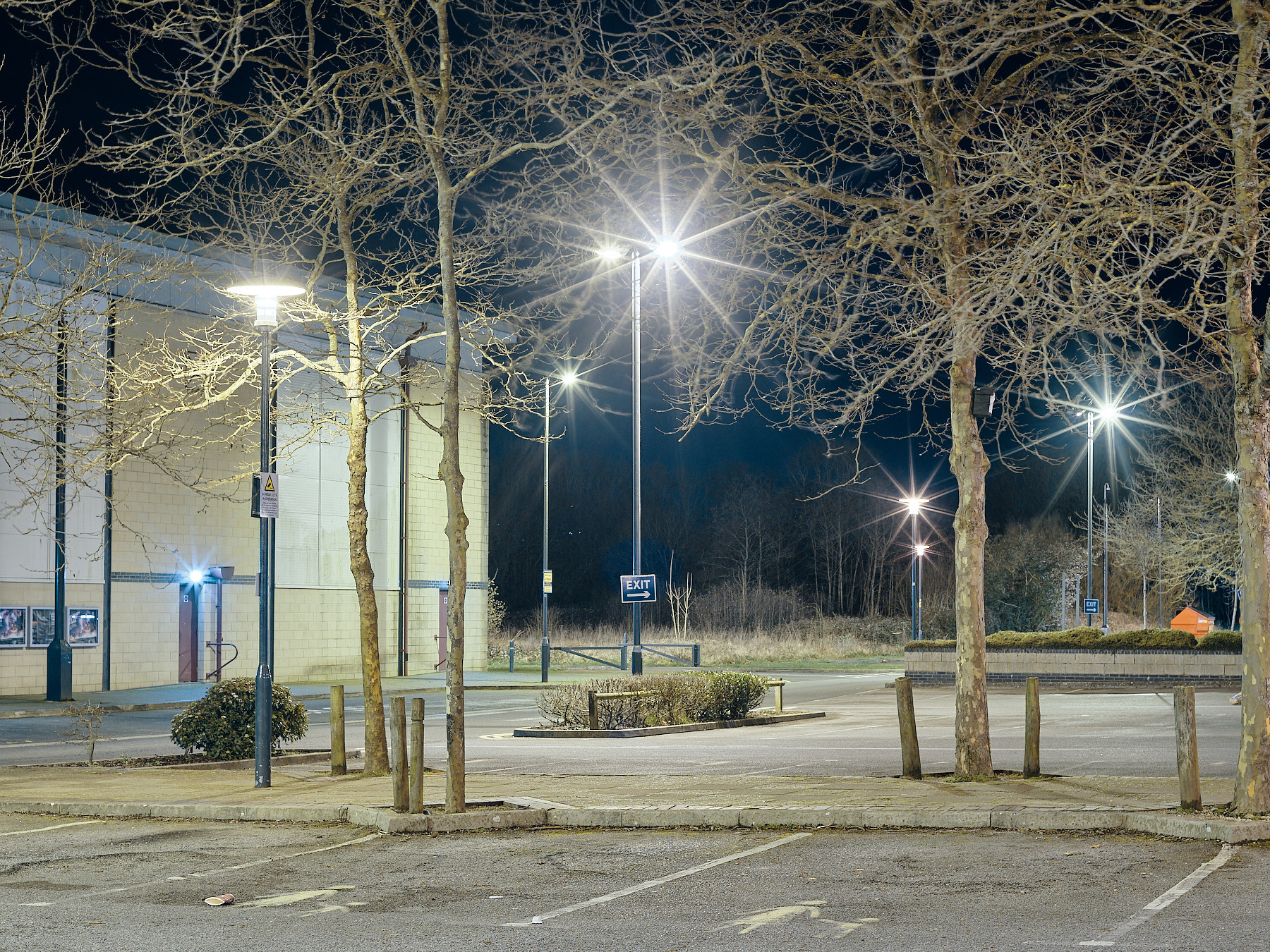
Look at the size of the stars in that second photo, they are enormous, they look ridiculous, once you see them that’s all you notice. The trees towards the front are slightly soft, that’s the compromise I’m willing to make. Now lets see if the diffusion filter can do anything about this.
Diffusion filter at f/2
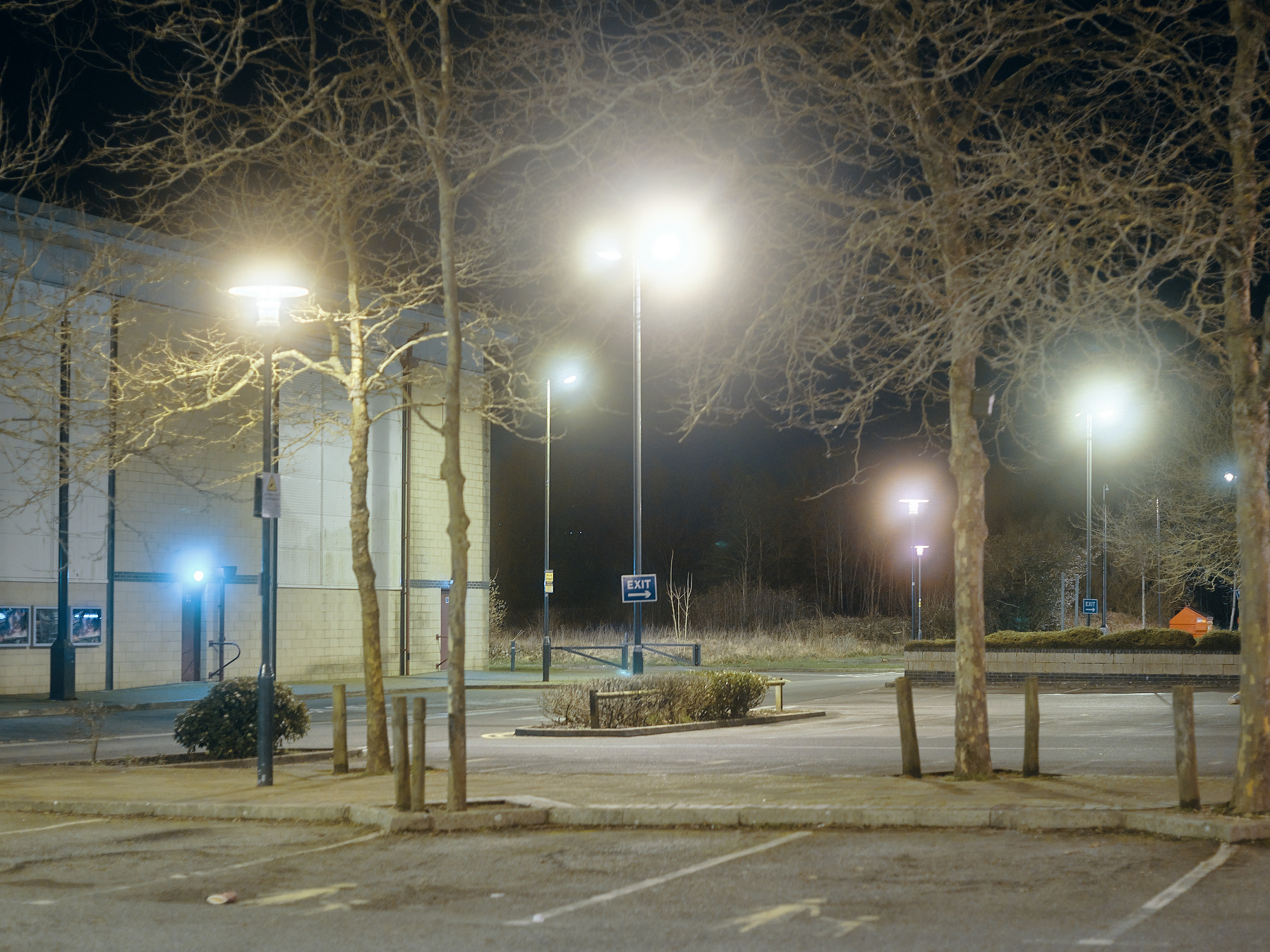
Diffusion filter at f/8
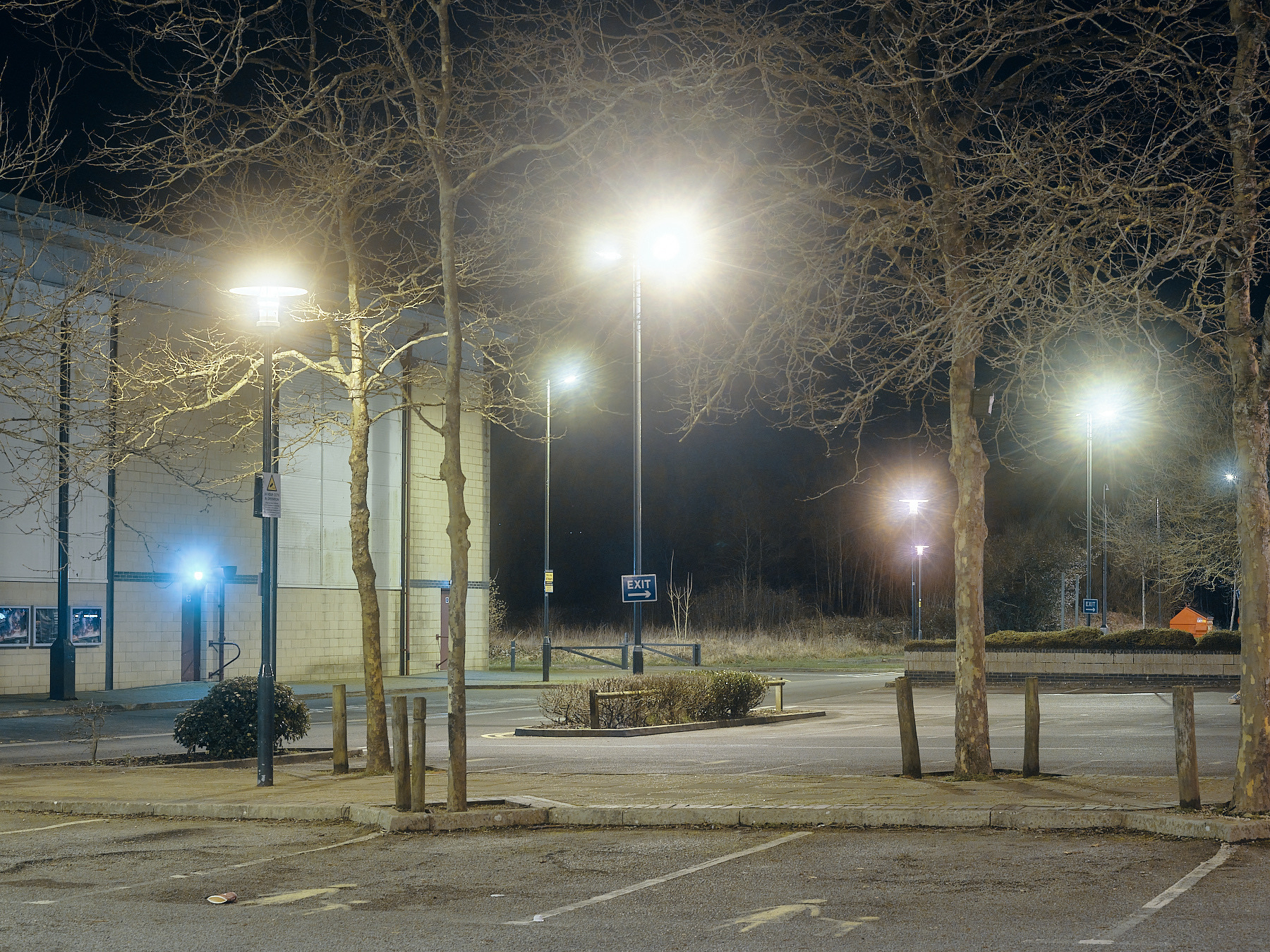
Short answer, no. All it does is mask them a bit in a slightly hazy glow, but they are definitely still there. Not only that, but after all the complaining about the stars in the previous shot, I would be ignoring the elephant in the room if I didn’t talk about the way the filter has turned these street lamps into giant glowing orbs.
It’s definitely a pronounced effect, so much so, that I found it impossible not to blow out the highlights. I thought I had dialled in enough extra exposure compensation, but evidently not (side note I read an article from someone who was an anti EC dial evangelist that blew my mind, I don’t understand as I use mine all the time)
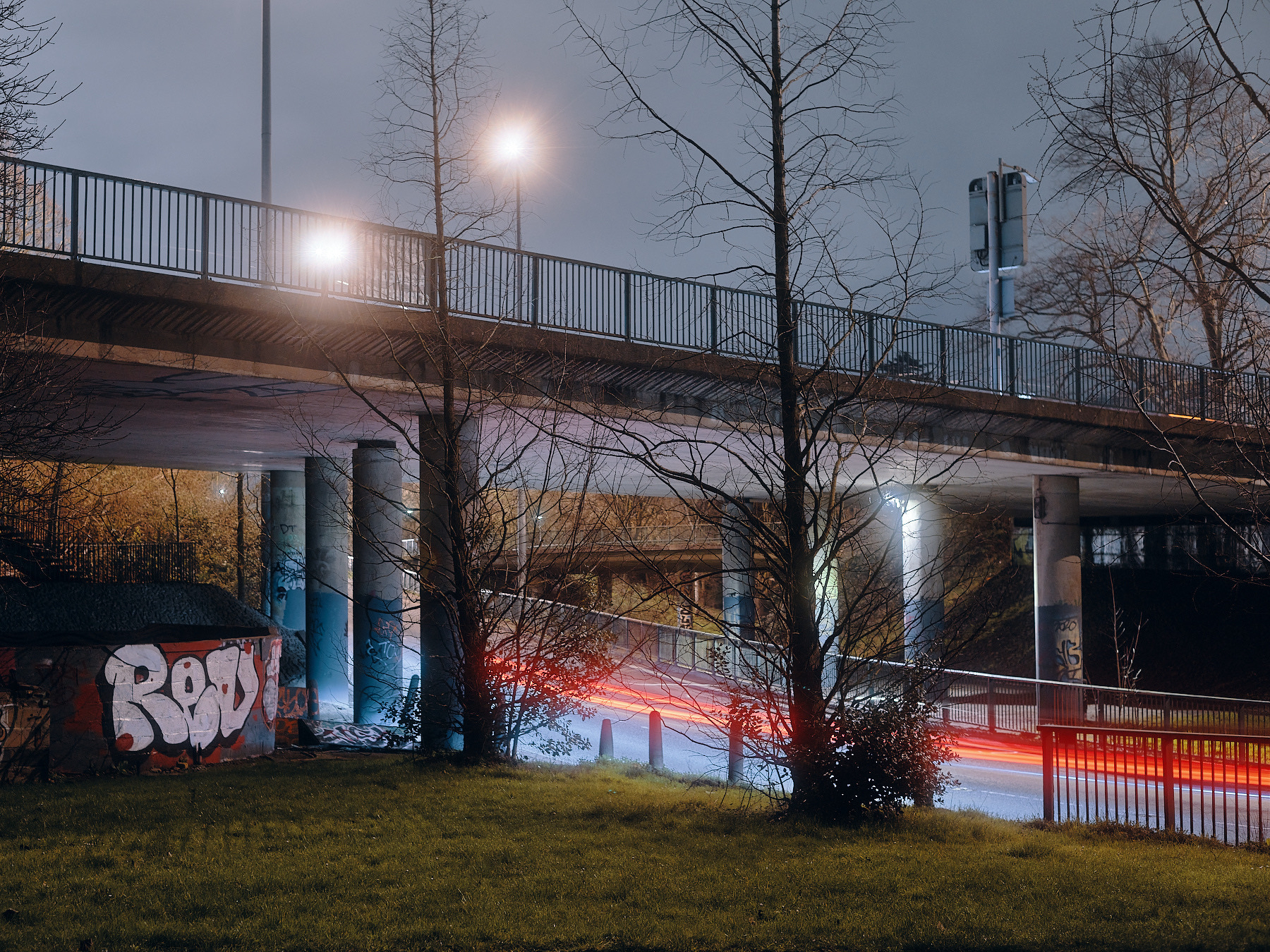
The filters come in different strengths and this isn’t even the maximum. This is the 1/2 strength option, based on these shots anything stronger would be way too much, every photo would have been engulfed in a cloud of hazy dreaminess, the photographic equivalent of producing every future record like it’s loveless by my bloody valentine.
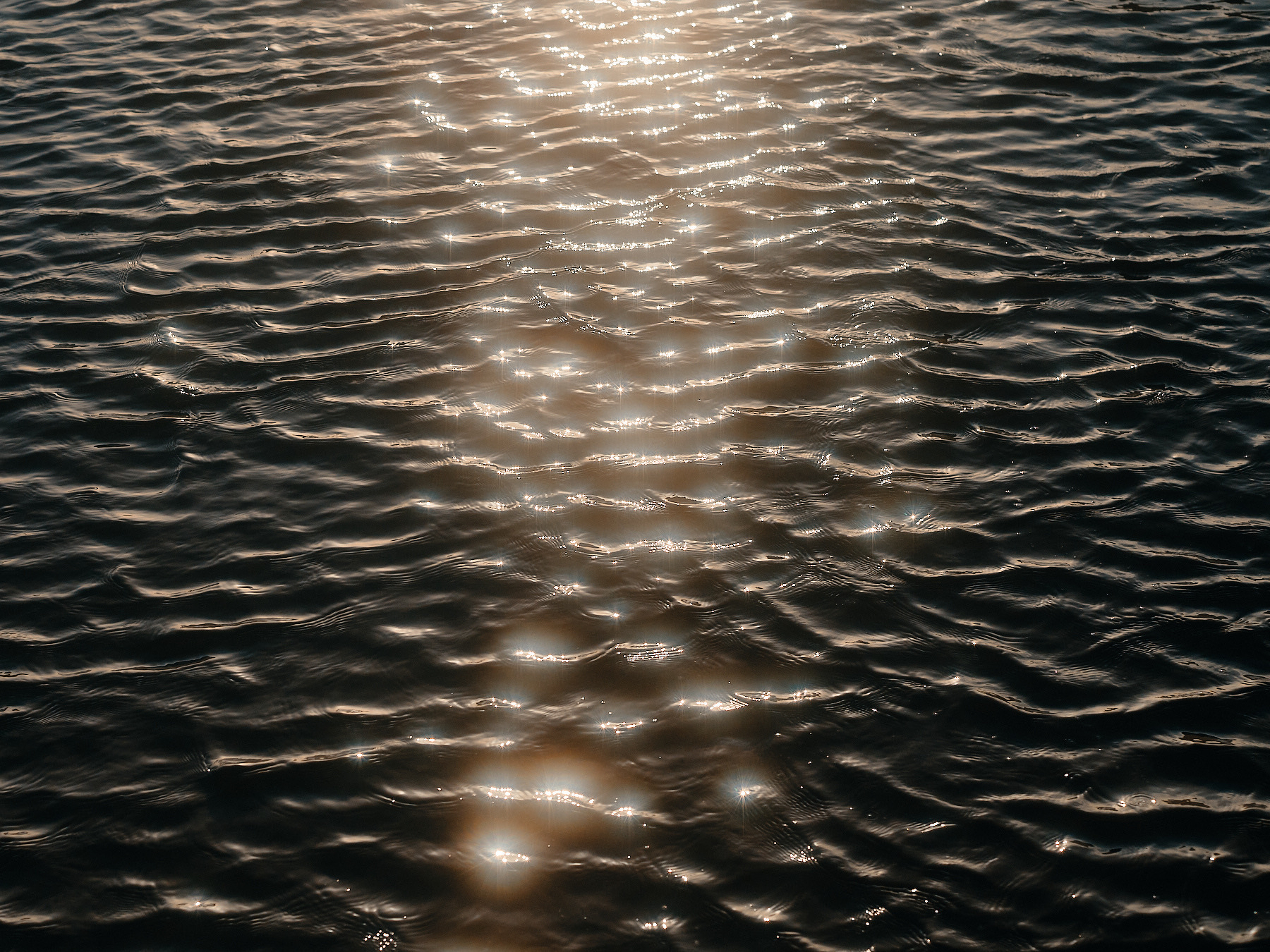
I’ve not really tried it too much in daylight yet, to be honest I was worried it would look a bit cheesy and shit. I brought it along one evening during golden hour, and tried a couple of the sunlight reflecting off the waves, and it gives is a nice glow, but would start to look gimmicky quite if used on every shot.
I do like this filter in small doses, in the right conditions, usually lower contrast scenes as it starts to get dark - think blue hour, rather than pitch black - and used in moderation to enhance the available light, not be used in all situations as a substitute for the right light.